
This is a necessary part of the closing process that occurs at the end of each reporting period. This step is performed by transferring debit balances in expense accounts to the profit and loss account or retained earnings account. Here, the accountant records a debit entry for the total amount of expenses in the expense account and a credit entry for the same amount in the profit and loss account or retained earnings account. The first step is to transfer credit balances in revenue accounts to the profit and loss account or retained earnings account.
Step 3: Close Income Summary Account
Permanent accounts, on the other hand, carry balances forward and show how the business is doing over time. Permanent (real) accounts are accounts that transfer balances to the next period and include balance sheet accounts, such as assets, liabilities, and stockholders’ equity. These accounts will not be set back to zero at the beginning of the next period; they will keep their balances.
Accounting Principles

Then, just pick the specific date and year you want the closing process to take place, and you’re done! In just a few clicks, the entire financial year closing is streamlined for you. That’s why most business owners avoid the struggle by investing in cloud accounting software instead. Lastly, if we’re dealing with a company that distributes dividends, we have to transfer these dividends directly to retained earnings. In practice, Xenett fits as an operational layer on top of your ledger and close habits. It helps you standardize how you review accounts and track what happened.
Financial closing vs financial reporting
Closing entries are journal entries made at the end of an accounting period to transfer the balances from temporary accounts (like revenue and expense accounts) to permanent accounts (like retained earnings). This process effectively resets the temporary accounts to zero, setting the stage for a clean start in the next accounting period. The Income Summary account is a temporary account used during the closing process to summarize revenues and expenses.

These accounts carry forward their balances throughout multiple accounting periods. For instance, imagine a company has $31,350 in Wages Expense, $300 in Depreciation Expense, $6,000 in Interest Expense, $3,000 in Insurance Expense, and $15,000 in Supplies Expense. The closing entry will credit each of these expense accounts and debit Income Summary for the sum of all the expenses. Fixed asset closing entry involves determining the net book value of fixed assets at the end of the accounting period before preparing financial reports. It must be ensured that all transferred balances have been recorded correctly and that they accurately reflect the correct results for the accounting period without any errors.
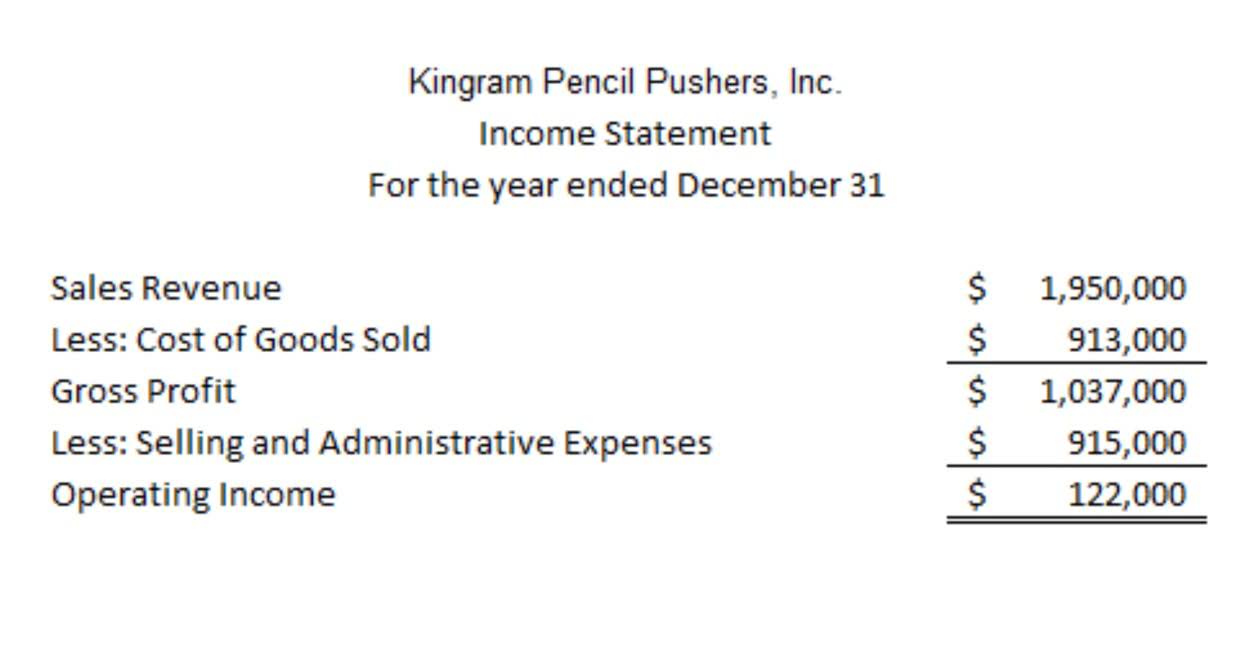
Closing Entries in Accounting
- In a general financial accounting system, temporary or nominal accounts include revenue, expense, dividend, and income summary accounts.
- Then, you debit the expenses, once again directing the balance to Income Summary, which now reflects your net income.
- Once we have made the adjusting entries for the entire accounting year, we have obtained the adjusted trial balance, which reflects an accurate and fair view of the bakery’s financial position.
- They persist from one accounting period to the next and maintain their balances over time unlike temporary accounts which are closed at the end of the period.
- Closing entries are integral to this cycle, ensuring that income and expenses are accurately reflected in the correct periods.
- Most close cycles fail because teams treat review like a final checkpoint.
I always set aside time to review and confirm that every transaction is accounted for. This is crucial because it clears out last year’s earnings, so you can accurately track how much https://www.innovationm.com/ux/bookkeeping-for-heating-ventilation-and-air/ you earn next year without any confusion from past amounts. By the end of the year, you’ve made $100,000 in revenue and incurred $60,000 in expenses. Shaun Conrad is a Certified Public Accountant and CPA exam expert with a passion for teaching.
and Reporting
Without this entry, December expenses are understated by $5,000. That inflates net income and misrepresents liabilities on your balance sheet. Here, we’ve covered everything you need to know about adjusting journal entries, from definition and types to examples and best practices. Examples include closing revenue to Income Summary, closing expenses to Income Summary, closing Income Summary to equity, and closing dividends or draws to equity. This section matters because many users search for a net loss closing journal entries example. This closing entries example shows a complete set with numbers.
Points to Consider When Preparing Closing Entries

This process highlights a company’s financial performance and position. In this guide, we delve into what closing entries are, including examples, the process of journalizing and posting them, and their significance in financial close management. Also known as real or balance sheet accounts, these are general ledger entries Foreign Currency Translation that do not close at the end of an accounting period but are instead carried forward to subsequent periods . Real accounts, also known as permanent accounts, are quite different compared to their temporary equivalents.
The first part is the date of declaration, which creates the obligation or liability to pay the dividend. The second part is the date of record that determines who receives the dividends, and the third part is the date of payment, which is the date that payments are made. Printing Plus has $100 of dividends with a debit balance on the adjusted trial balance. The closing entry will credit Dividends and debit Retained Earnings.
You want to avoid the financial confusion of having last period’s numbers overstaying their welcome. Adhering to this order – adjusting then closing – ensures your financial narratives don’t become tangled and that every period’s reporting is as crisp as a freshly printed playbill. ‘Retained earnings‘ account is credited closing entries example to record the closing entry for income summary.
Leave a Reply